galvanized steel coil,Stainless steel coil,PPGI steel coil,stainless steel pipe

Medium and thick steel plate
12/26/2023What do you know about aluminized zinc plates
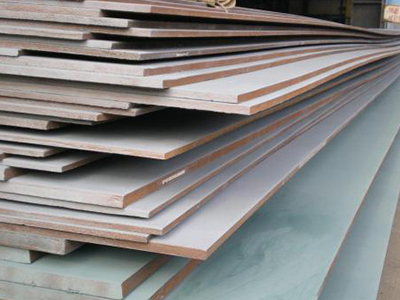
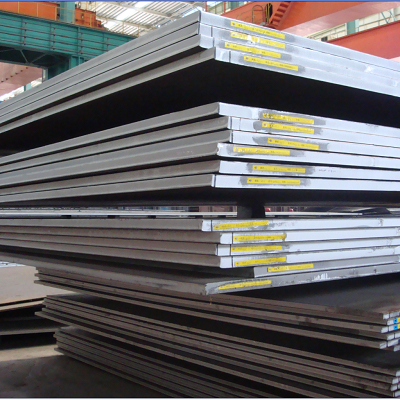
12/27/2023According to its minimum yield point, the structural steel used for ship hull is divided into strength classes: general strength structural steel and high strength structural steel. Ship plate refers to the hot-rolled steel plate produced according to the requirements of the classification society construction code for the manufacture of ship structure. The general strength structural steel according to the standard of China Classification Society is divided into: A, B, D, E four quality grades (CCSA, CCSB, CCSD, CCSE); The high strength structural steel according to the China Classification Society specification has three strength levels and four quality levels.
Classification code
The main classification society regulations are:
CCS in China
American ABS
Germany GL
France BV
Norwegian DNV
Japanese NK
LR of the United Kingdom
South Korea KR
RINA Italy
Ship plate attribute
General strength hull structure steel is divided into A, B, D, E4 grades, these 4 grades of steel yield strength (not less than 235N/mm^2) and tensile strength (400 ~ 520N/mm^2) the same, but the impact work at different temperatures is not the same;
High-strength steel for hull structure is divided into strength grades according to its minimum yield strength, and each strength grade is divided into A, D, E and F4 grades according to its impact toughness.
The yield strength of A32, D32, E32 and F32 is not less than 315N/mm^2, and the tensile strength is 440 ~ 570N/mm^2. A, D, E and F respectively represent the impact toughness that can be achieved at 0°, -20°, -40° and -60° respectively.
The yield strength of A36, D36, E36 and F36 is not less than 355N/mm^2, and the tensile strength is 490 ~ 620N/mm^2. A, D, E and F respectively represent the impact toughness that can be achieved at 0°, -20°, -40° and -60° respectively.
The yield strength of A40, D40, E40 and F40 is not less than 390N/mm^2, the tensile strength of 510 ~ 660N/mm^2, A, D, E and F respectively indicate the impact toughness that can be achieved at 0°, -20°, -40° and -60° respectively.
Item of delivery
1, quality certification review:
Delivery must be in accordance with the customer’s requirements in accordance with the contract specifications and provide the original quality certificate. The certificate contains the following contents:
(1) Standard requirements;
(2) Quality record number and certificate number;
(3) Batch number, technical grade;
(4) chemical composition and mechanical properties;
(5) Certification of classification society and signature of surveyor.
- Physical review:
The delivery of Marine steel, the physical object should be the manufacturer’s logo. The details are:
(1) Classification society approved mark;
(2) Paint frame or paste marks, including technical parameters such as: batch number, standard grade, length and width size, etc.;
(3) The appearance is smooth and smooth, without defects.